Scientific Research
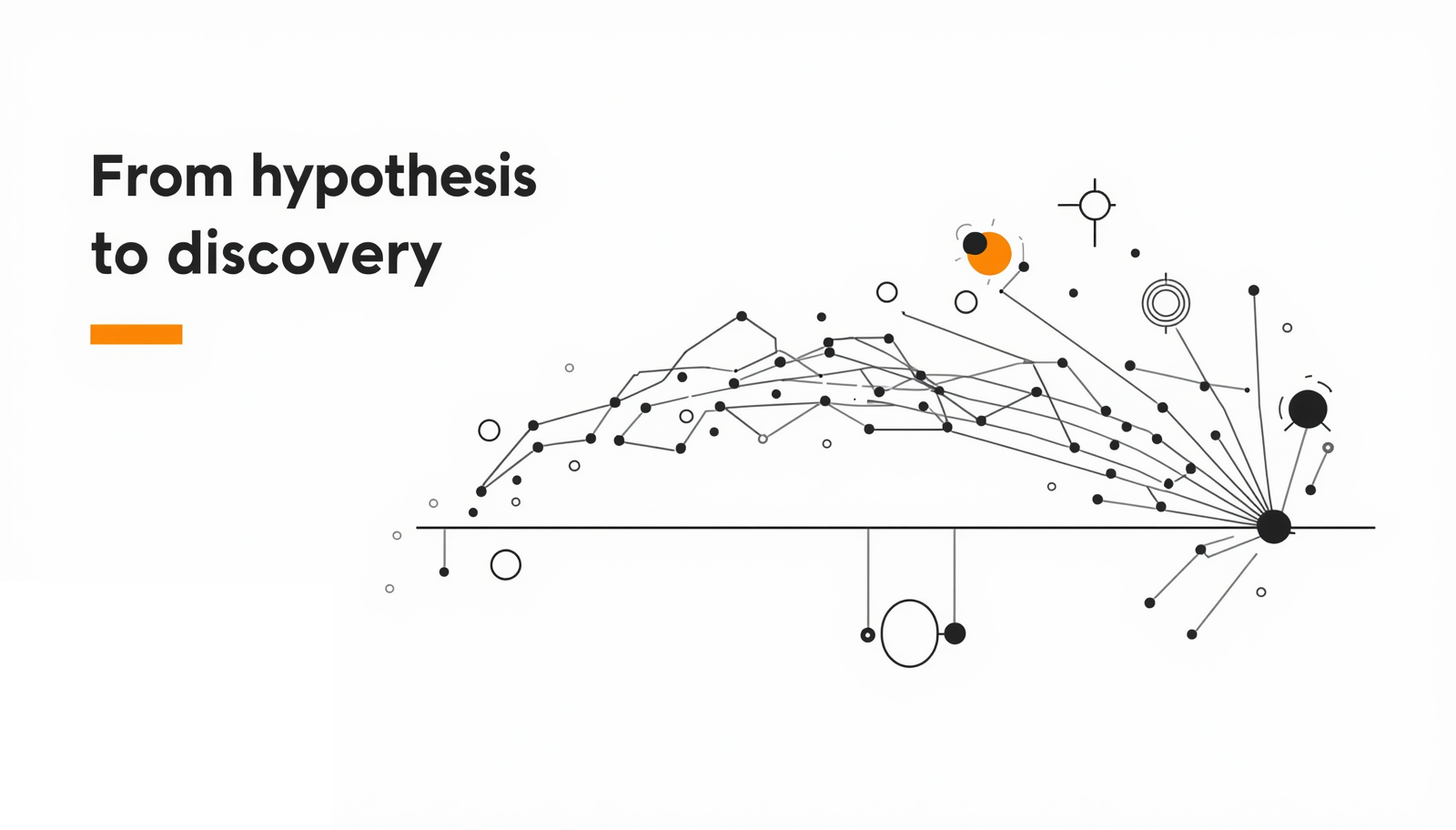
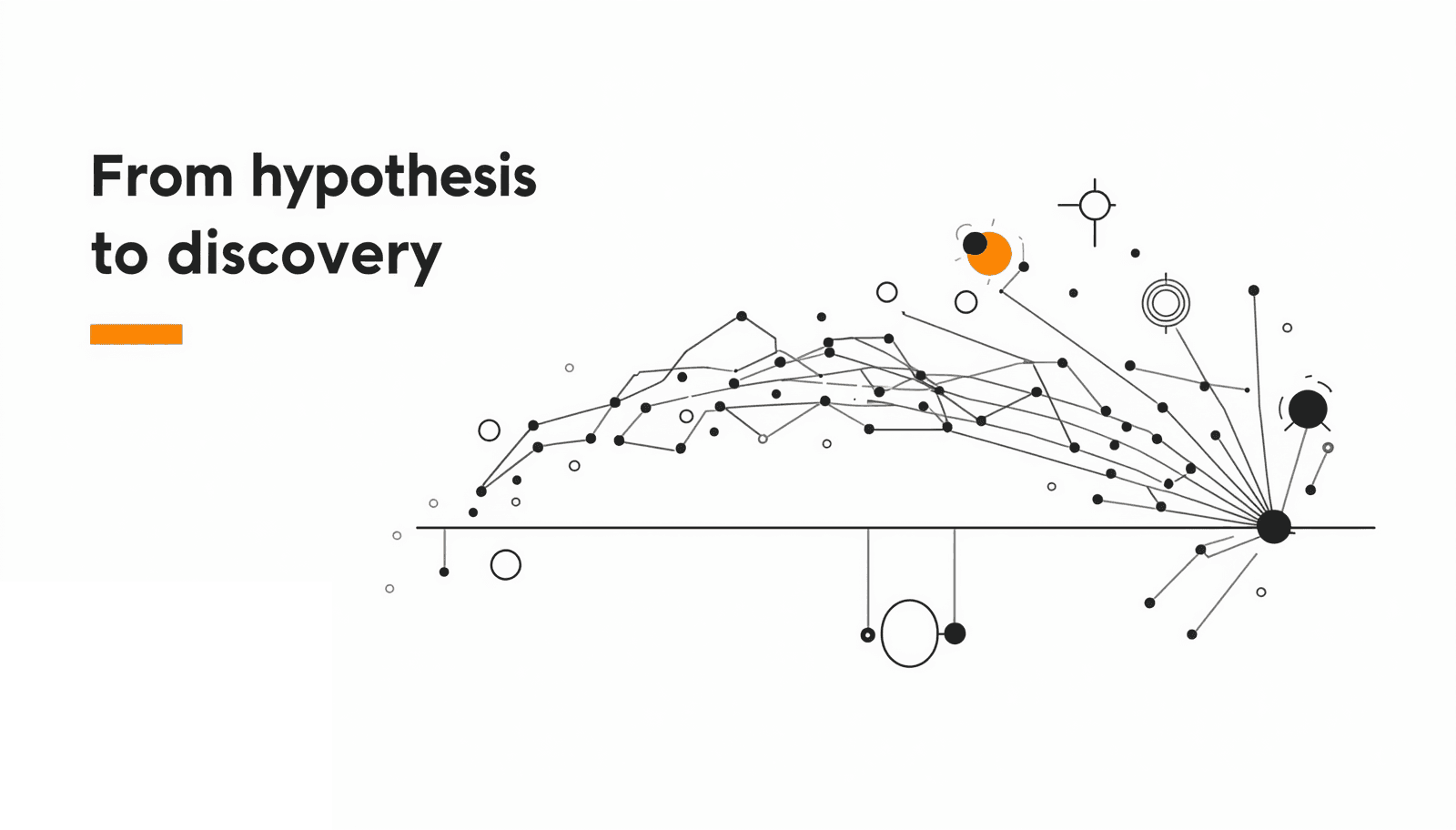
April 13, 2026From Hypothesis to Discovery: How AI Is Shortening the Research Cycle
Explore how AI is shortening the research cycle from hypothesis to discovery. Learn about AI literature synthesis, semantic search, and predictive modeling.
1 min read
Updated: April 13, 2026
1. The Death of Literature Review Bottleneck
The "Search" phase of research has been transformed. In 2026, researchers use AI Literature Synthesis to "talk" to the entire corpus of human knowledge.
- Semantic Search: AI extracts data points and identifies contradictions across millions of papers in seconds.
- Hypothesis Generation: AI identifies "white spaces" in current literature where a new hypothesis might yield high-impact results.
2. Predictive Modeling and Validation
- Simulation vs. Observation: High-fidelity AI simulations allow for testing complex hypotheses (like climate modeling) before committing to physical experiments.
- Automated Peer Review: AI agents assist in validating statistical integrity and detecting potential fraud or errors in pre-publication drafts.
- Open Science Integration: Tools that automatically format and share research data according to FAIR (Findable, Accessible, Interoperable, Reusable) principles.
#AI research acceleration
#literature synthesis
#semantic search
#predictive modeling