The AI Cyber Arms Race: How 2026 Defense Systems Are Fighting Autonomous Threats
Discover how 2026 defense systems are fighting autonomous threats in the AI cyber arms race. Learn about self-healing perimeters, proactive defense, and agentic attacks.
1. Introduction: The Age of the "Self-Healing" Perimeter
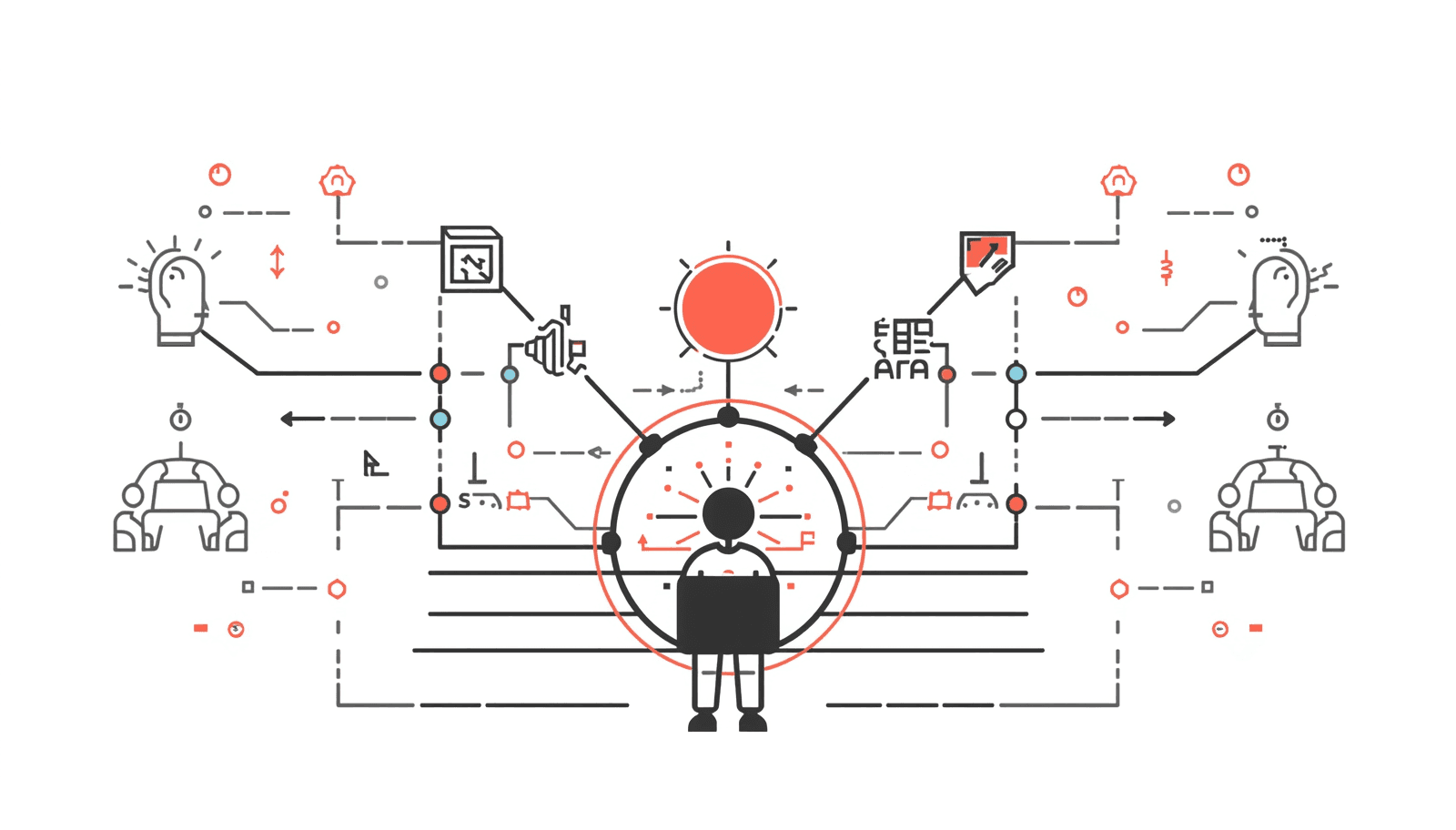
In 2026, cybersecurity is no longer a human-led activity. It has evolved into an Agentic Arms Race. As threat actors deploy autonomous agents to probe for vulnerabilities 24/7, organizations have responded by building "Self-Healing" perimeters - security infrastructures that don't just alert a human to a breach but autonomously isolate the threat and patch the entry point in milliseconds.
This 4,500-word guide breaks down the architecture of a 2026 AI defense system and provides a strategic roadmap for CISOs and technical founders to protect their digital assets in an increasingly hostile landscape.
2. The Shift from Reactive to Proactive Defense
Traditional security was based on "Signatures" - knowing what a virus looked like. In 2026, we focus on Behavioral Anomalies.
- Continuous Exposure Management (CEM): Unlike quarterly penetration tests, CEM agents continuously simulate attacks on your own infrastructure to find "Attack Paths" before hackers do.
- Identity-First Security: In a world of deepfakes and leaked credentials, "Location" (VPN/IP) no longer proves identity. 2026 systems use Continuous Authentication, monitoring typing rhythm, mouse movements, and access patterns to verify a user's identity throughout their entire session.
3. Fighting "Agentic" Attacks
Threat actors in 2026 are using AI Hacking Tools to automate social engineering and vulnerability discovery.
- AI Phishing: Agents that can scrape a target's social media and draft a hyper-personalized, context-aware email that is indistinguishable from a legitimate request.
- Model Poisoning: A new 2026 threat where attackers inject malicious data into your AI's training set to create "backdoors" in your proprietary models.
4. The 2026 Cybersecurity Stack
| Category | 2026 Market Leader | Key Innovation |
|---|---|---|
| Endpoint Security | CrowdStrike Falcon (Gen 2) | Fully autonomous "remediation" of compromised nodes. |
| Cloud Security | Wiz AI | Real-time graph analysis of cloud "toxic combinations." |
| Email Defense | Abnormal Security | Linguistic AI that detects "intent" rather than malicious links. |