Cybersecurity AI
April 13, 2026Implementing Zero-Trust AI: A Strategic Roadmap for Enterprises in 2026
Discover how to implement Zero-Trust AI for enterprises in 2026. Learn about AI security gateways, governance, and compliance requirements.
1 min read
Updated: April 13, 2026
1. The "Trust Nothing" Paradigm
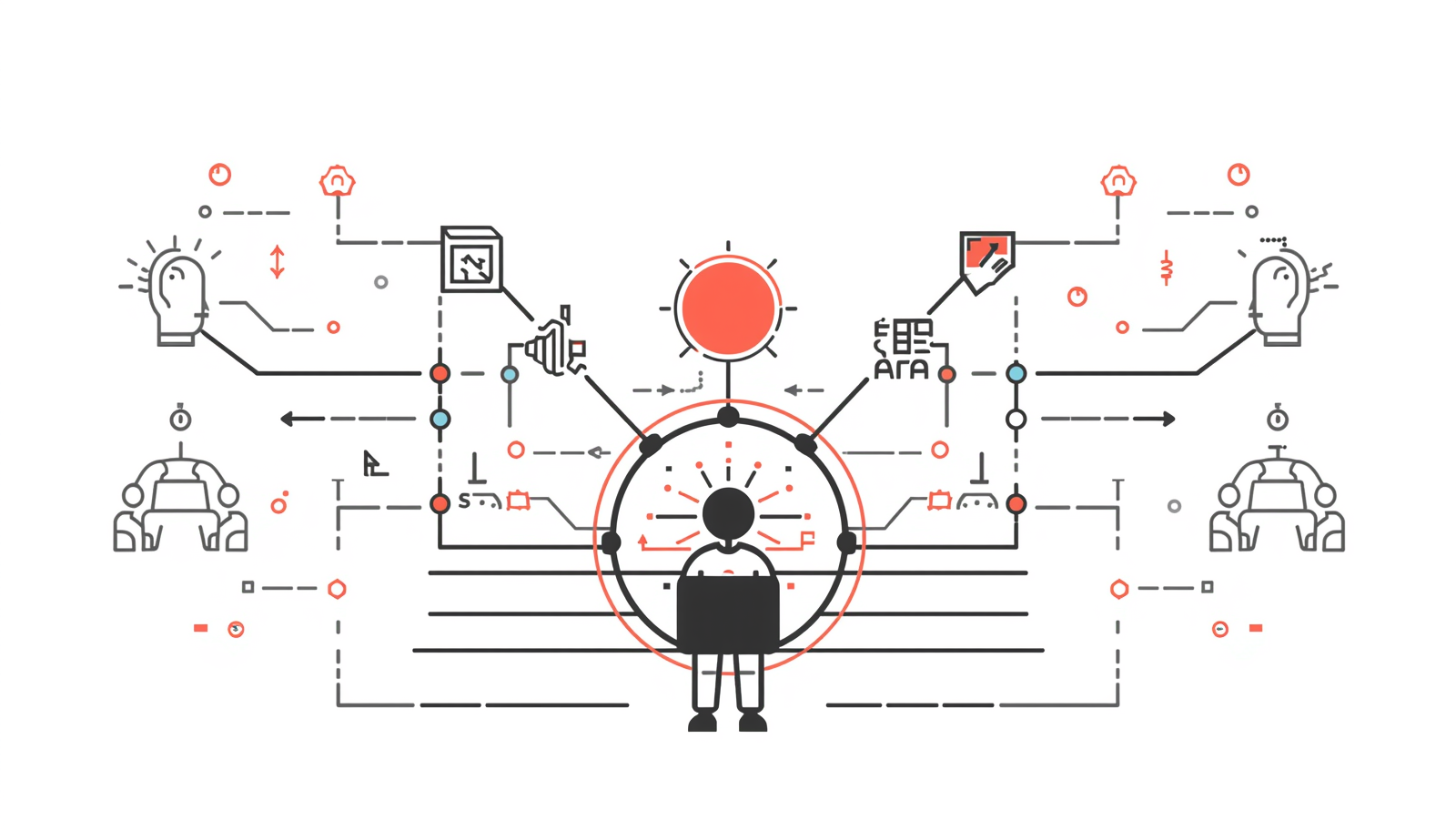
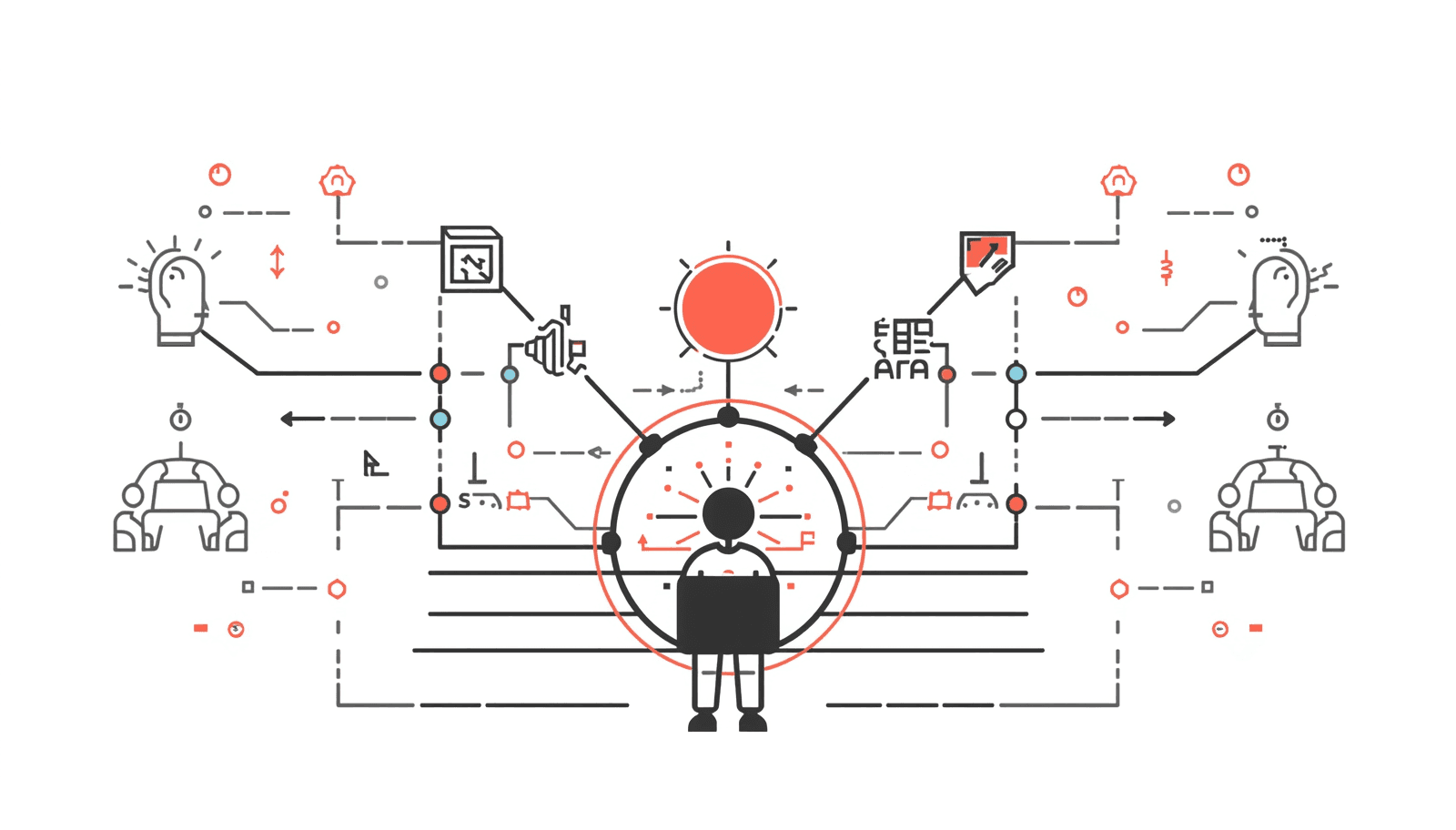
In 2026, "Internal" does not mean "Safe." The Zero-Trust AI framework assumes that every agent, every model, and every user is a potential vector for compromise.
2. Building the AI Gateway
Enterprises are now deploying AI Security Gateways between their employees and public LLMs.
- Data Masking: Automatically redacting PII (Personally Identifiable Information) before it leaves the corporate network.
- Prompt Injection Defense: Filtering incoming and outgoing prompts to ensure they don't contain "jailbreak" commands that could force an AI to leak sensitive IP.
3. Governance and Compliance (E-E-A-T)
With the full enforcement of the 2026 AI Regulations, companies must now maintain an "AI Bill of Materials" (AI-BOM).
- Explainability: The ability to prove why an AI security agent blocked a specific user or transaction.
- Audit Trails: Comprehensive logging of every "thought" and "action" taken by an autonomous agent.
#Zero-Trust AI
#AI security governance
#enterprise data protection
#AI guardrails
#secure AI implementation
#AI compliance